Skiing accident claims
Skiing accidents frequently occur due to the combination of high speeds, varying levels of skier experience, and unpredictable ski slopes. At Penningtons Manches Cooper, our specialist solicitors provide clear legal advice on how to claim compensation if your skiing accident happened due to someone else’s negligence. Alternatively, if you are accused of causing an accident, we can help defend your case.
Expert skiing accident claims solicitors
Every winter season, holidaymakers enjoying winter sports sustain a range of skiing accident injuries, from broken bones and sprains to serious head injuries or life-changing spinal or neck injuries. You may be eligible to make a skiing accident compensation claim if your injury was caused by other skiers, faulty ski equipment, dangerous skiing practices, negligent ski instructors, or poor slope maintenance at your ski resort.
If your accident occurred as part of a package holiday arranged by a UK-based tour operator – such as a ski lesson or excursion organised by the ski centre – you might be entitled to pursue compensation directly against them under UK law.
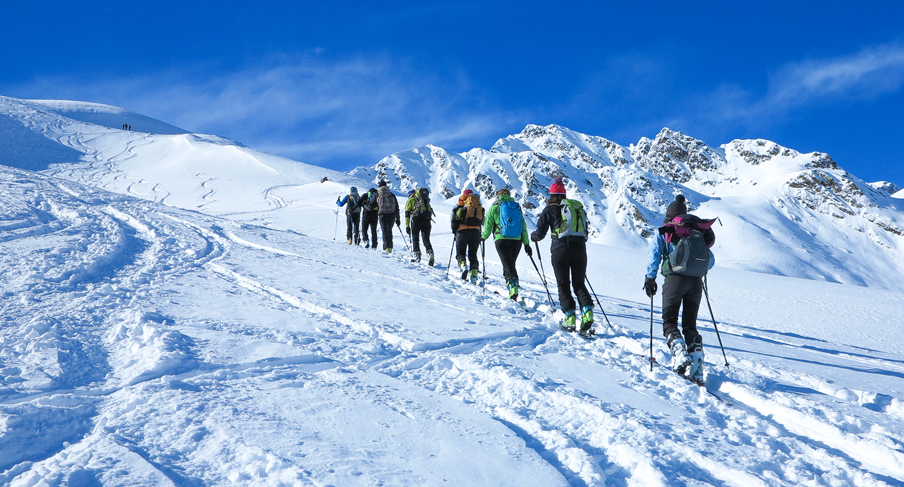
We also regularly assist individuals who are the subject of legal claims after skiing accidents. If another skier claims you are responsible for their injuries, we can provide robust legal representation by investigating the accident circumstances thoroughly, advising on liability, and working to minimise your financial risk.
Determining who is at fault in skiing accidents often involves reference to the International Ski Federation’s rules of conduct, which set out the responsibilities of skiers clearly. Additionally, we rely on a trusted international network of specialist solicitors experienced in managing skiing accident claims across different countries. They provide essential support, such as liaising with local police, visiting accident sites, obtaining medical reports, and advising on local laws that could affect your injury claim.
…well-versed in this industry and provides a very high level service.
Following a skiing accident, it is crucial to seek medical attention promptly and retain all records of your medical treatment and related expenses. Our solicitors offer free initial legal advice without obligation and can discuss funding options, including no win, no fee agreements, to help you manage legal costs and financial risks. During your skiing accident compensation claim, we aim to secure interim payments where possible and ensure you receive maximum compensation to cover medical and care fees, travel expenses, and other out-of-pocket costs.
Contact our team to discuss the level of compensation you could claim, or if you need guidance on making a skiing injury claim following an accident abroad.
How we help our clients
Skier collision claims involving impact with other skiers or snowboarders on the slopes
Accident investigation support including site assessments, skier behaviour analysis and expert evidence
Faulty equipment claims for injuries linked to defective skis or protective gear
Instructor negligence representation where poor teaching or supervision contributed to injury
Tour operator liability cases for injuries during package holiday activities or excursions
International legal coordination with local police, ski resorts and medical professionals
Funding and fee agreement guidance, including options such as no win, no fee
Useful resources
What our clients are saying
A huge, massive thank you to you and your team, we are so very grateful for all your hard work and dedication. I cannot thank you enough for everything, you truly have changed our life and future.
They are always diligent and professional. They are quick to respond and provide unwavering support.
You couldn’t have been more helpful, professional, positive, supportive and determined to achieve the best possible outcome.
Penningtons have a solid team with decades of travel law experience and a strong reputation.
From start to finish, I was made aware of the complexity of my case and was given strong and informative advice.
Recent work highlights
Claim for mountain restaurant incident
Snowboarding injury at Olympic camp
Disputed blue run ski collision in French Alps
Catastrophic ski accident in Andorra
Travel insurer ski claim legal defence
Bulgarian ski piste child injury claim
Case studies
Contacts

More information on skiing accident compensation claims
Liability for accidents on the slopes
Skiing accidents can happen in a matter of seconds, often with serious consequences. Determining who is liable for a skiing accident on the slopes depends on the specific circumstances and where the accident occurred. Under UK law, if your accident happened during a package holiday, the tour operator may be liable if the incident resulted from the negligence of a supplier they contracted, such as a ski instructor or ski centre.
If the skiing accident occurred because of another skier’s behaviour – such as reckless or dangerous skiing – that person may be held responsible. Liability may also arise from the actions of ski resort staff, poor slope maintenance or faulty ski equipment, including defective bindings or helmets provided by the ski hire service. In such cases, the ski resort or equipment supplier could be at fault.
Liability in skiing accident compensation claims may also rest with a ski school, where negligent instruction or failure to assess your skill level correctly resulted in injury. If the skiing accident happened on a poorly managed slope or in unsafe weather conditions, the ski resort operator could also bear responsibility.
Each skiing injury claim is assessed on its own facts, and local laws in different countries will apply if the accident occurred abroad. Our specialist solicitors can advise you on who may be liable, based on International Ski Federation conduct rules, local police reports, and witness statements. If someone else’s negligence caused your injury, you may be entitled to make a skiing accident compensation claim.
Determining who is at fault for your skiing accident
When deciding whether you or another skier or snowboarder are responsible for a skiing accident, several factors will be considered to determine liability. The conduct of both parties in the moments before the accident happened is critical, as is the adherence to local ski resort rules and the International Ski Federation guidelines. These rules set out expected standards of behaviour on the slopes and form a widely accepted benchmark in skiing accident claims.
Investigations will typically focus on whether either party was skiing too fast for the conditions, failed to maintain control, or failed to leave enough space when overtaking. In some cases, liability may arise from failing to observe ski lift protocols, skiing off-piste in unsafe conditions, or using defective equipment such as faulty bindings or protective gear.
If you were involved in a collision with another skier or snowboarder, statements from both parties, witness accounts, and accident reports from ski patrol or the local police will be important. Photos or videos of the accident scene, slope layout, and weather or visibility conditions may also clarify what occurred.
Steps to take immediately after a skiing accident
If a skiing accident occurs, acting quickly and methodically can make a substantial difference to the outcome of any future skiing accident compensation claim. Your first priority should be to seek medical attention, regardless of the severity of the injury. Skiing injuries, including head injuries, neck injuries and broken bones, can sometimes worsen over time, so it is important to obtain a full medical assessment and retain copies of all medical records.
The accident should be reported to the relevant party and authorities as soon as possible – this might be the ski lift operator, ski instructor, ski school, the police or the resort management. If the incident occurred during an organised excursion or lesson as part of a package holiday, it should also be reported to your tour operator or representative. Where possible, obtain a written record of the report and any responses provided.
You should try to gather evidence at the accident scene. Photographs showing where the accident happened, the slope condition, any defective equipment or inadequate signage can all help to support your personal injury claim. It is also worth recording the names and contact details of any witnesses and noting the weather conditions at the time of the incident, especially where poor visibility or severe weather may have contributed.
Keep all receipts for medical fees, travel expenses and any protective gear you had to replace. These will help us quantify the losses associated with your ski injury and strengthen your skiing injury compensation claim.
Compensation entitlement for a skiing accident
The amount of skiing accident compensation you may receive depends on several factors, including the severity of the injury, how long it takes to recover, and the impact on your ability to work or carry out daily activities. Claims can range from minor injuries such as sprains or cuts to serious injuries like spinal injuries, head injuries, or long-term damage caused by defective equipment or someone else’s negligence on the slopes.
If your accident happened during a package holiday, English law may apply, which can make the process more straightforward. Compensation for a claim subject to English law typically covers general damages and special damages. General damages account for pain, suffering and loss of amenity – for example, a back injury that restricts movement or prevents participation in winter sports. Special damages cover financial losses, including medical expenses, travel costs, rehabilitation, loss of earnings and the cost of any specialist equipment required due to the injury.
However, for skiing accidents abroad that fall under the jurisdiction of a foreign country, the compensation claim will be subject to local laws and different compensation scales. In either case, our specialist solicitors will advise on how much compensation may be awarded and how best to pursue your skiing injury claim.
We can arrange medical assessments and reports to help ensure injuries are properly documented and understood. Interim payments may also be available in some cases to help cover urgent costs before the claim is resolved. Every personal injury claim is assessed individually to secure the maximum compensation available.
Time limits for making a skiing accident claim
The time limits for making a skiing accident compensation claim vary depending on where the accident occurred. Under UK law, you generally have three years from the date the accident happened to start a personal injury claim. However, where skiing accidents occur in foreign countries, local laws may impose shorter limitation periods.
If your injury occurred as part of a package holiday booked through a UK tour operator, you may be able to bring a claim under UK law, even if the accident happened abroad. This can simplify the claims process and allow for more time to seek legal advice and begin your claim. However, eligibility will depend on the circumstances, including whether the accident happened during a ski lesson, ski lift transfer, or other organised activity that was part of the package.
For accidents involving ski lifts, off-piste skiing incidents, or those caused by defective equipment or poor slope maintenance, it is important to determine early on which legal system applies. If local law is involved, the limitation period may be much shorter, and delays in seeking legal advice could result in you losing the right to claim.
Our specialist solicitors will assess your skiing injury claim and identify the correct jurisdiction, legal framework and limitation period. It is always advisable to contact a solicitor as soon as possible after the accident to avoid complications with deadlines and to protect your right to claim compensation.
Funding options for skiing accident claims
Skiing accident claims can involve a range of expenses, from the costs of legal representation to expert medical reports. There are several funding options available to help claimants manage the costs of bringing a skiing accident compensation claim.
You may already have legal expenses cover through a travel insurance or household insurance policy, either specifically for the trip or as part of a wider annual policy. Our team can help you check these policies and determine whether you have cover that could support your skiing injury claim.
Alternatively, if the claim can be pursued in England, we can offer a no win, no fee agreement, also known as a conditional fee agreement. This arrangement allows you to pursue your compensation claim without having to pay upfront legal fees. If your claim is unsuccessful, you won’t have to pay your solicitor’s legal fees.
After-the-event insurance may also be available. This type of policy can help cover the costs of bringing your claim, including expenses such as expert reports, court fees and any costs payable to the other side if the claim is unsuccessful.
We will advise you on the most appropriate funding method for your case and help you weigh up the different options. Our goal is to make a skiing accident compensation claim financially accessible, minimising the risk while maximising your chance of securing compensation for medical treatment, travel expenses and other losses.
Defending yourself against a skiing accident claim
If you’ve been accused of causing a skiing or snowboarding accident, we can help you defend the claim successfully. Our team of specialist solicitors regularly advises individuals facing skiing accident compensation claims, helping them challenge liability where the accident happened due to other factors or the actions of others.
Skiing and other winter sports carry inherent risks, and collisions on ski slopes can happen even when all parties are acting responsibly. The International Ski Federation Code of Conduct outlines expected behaviour on the slopes and can be used to assess fault. However, skiing accident claims often turn on the specific facts – including visibility, speed, slope conditions and whether all parties were in control of their equipment.
We can help gather evidence to support your defence. This may include ski lift records, piste maps, eyewitness accounts, CCTV footage (where available) and weather reports. We will also review any relevant medical evidence, police or resort documentation, and incident reports from the ski resort or ski centre. Establishing whether a skiing accident was caused by defective equipment, poor slope maintenance, unsafe weather conditions or someone else’s negligence is often central to the defence.
If your winter holiday was booked as part of a package holiday, the legal responsibility may sit with a tour operator or another party. Our experience in handling international personal injury claims allows us to consider local laws in different countries, to defend against skiing accident claims effectively under both UK and foreign legal systems.
Making your claim in the UK or abroad
Where you bring your skiing accident claim can have a major impact on how the case is handled and the level of skiing accident compensation you may receive. If your winter holiday was booked as a package holiday through a UK tour operator, you may be entitled to bring your compensation claim under UK law through the English or Welsh courts. This is often the preferred route, as UK law on liability and damages is generally more favourable to claimants than in many other countries.
However, some skiing accidents happen during trips booked independently. If your skiing accident took place abroad and was not part of a package holiday, the claim may need to be brought in the country where the accident occurred. This means the legal process and assessment of liability and damages will follow the local laws of that jurisdiction. In some countries, time limits for bringing a claim are much shorter, and the compensation awarded for serious injuries like head injuries, spinal injuries or broken bones may be lower than in the UK.
Each case depends on its own facts, and our specialist solicitors will assess all available options to identify the most appropriate jurisdiction. We have extensive experience in cross-border skiing injury claims and work closely with a trusted network of international lawyers who can advise on issues such as fault, medical expenses, local procedures and the impact of ski resort regulations.
Wherever the claim is pursued, our aim is to maximise compensation while keeping legal costs proportionate.
Keep exploring
Contact us
Please complete this form to send us your enquiry. We will be in touch shortly with a reply.
If you need to speak someone soon
