Sepsis claims
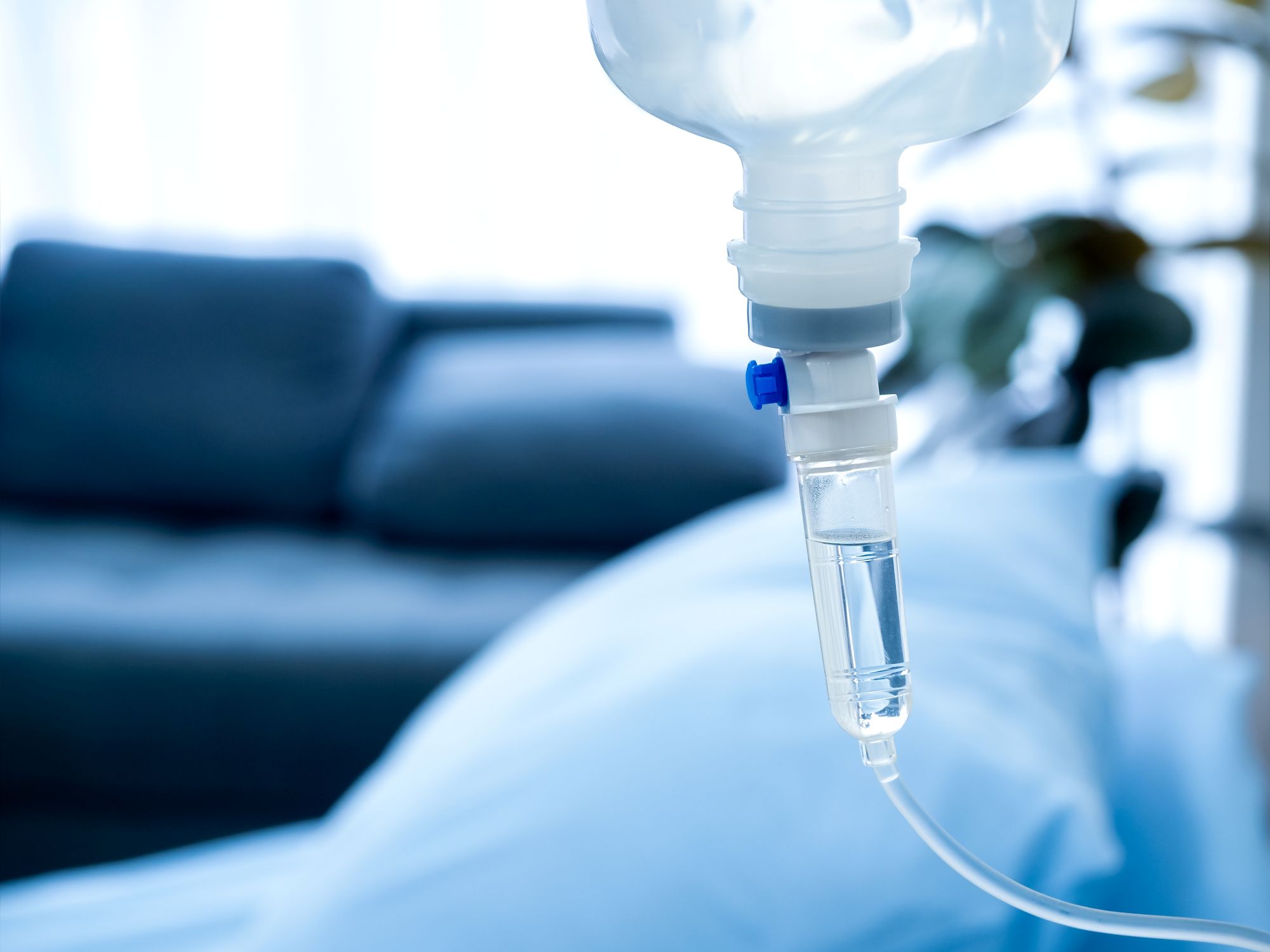
Sepsis, also known as septicaemia or blood poisoning, is a serious reaction to an infection or injury such as appendicitis, meningitis, peritonitis, flu, pneumonia or post-surgical infection. If it is not treated quickly, sepsis can be life threatening and result in long-term health complications. Unfortunately, delays in diagnosis or misdiagnoses sometimes occur; in these cases our specialist solicitors may be able to help you bring a sepsis negligence claim.
Experienced sepsis negligence claims solicitors
Although sepsis can affect anyone, certain people are more vulnerable such as the very young, the very old, pregnant women, and patients with lower immune systems such as those undergoing chemotherapy treatment or with medical conditions such as diabetes. Symptoms in adults include slurred speech, confusion, extreme shivering or muscle pain, passing no urine, severe breathlessness and skin mottling or discolouration. Children can experience vomiting, fast breathing, fitting or seizures and may not feed properly.
Patients with sepsis can deteriorate very quickly, especially young children, which is why sepsis is considered a medical emergency and there are strict guidelines which must be followed as soon as someone is suspected of having the condition. If clinicians fail to recognise or treat sepsis in accordance with the guidelines, this can have acute, life-changing consequences such as organ failure, serious disability, amputation and even death.

Our experienced team of sepsis negligence solicitors regularly handle a wide range of compensation claims resulting from sepsis, including failures by GPs or other medical professionals to identify the early stages of infection and negligent hospital treatment. While no amount of money can make up for the mistakes that have been made, a compensation award can improve quality of life by providing financial security and access to the most appropriate rehabilitation and equipment.
The lawyers’ expertise was obvious from day one and I felt they guided me through the process extremely well.
In situations, for example, where a patient has had to have a limb amputated due to a delay in receiving the appropriate medical care for sepsis, compensation can help them purchase aids and equipment such as prosthetic limbs and wheelchairs, as well as allowing them to undergo physiotherapy and other forms of treatment and rehabilitation. Wherever possible, liability admissions and judgments are obtained at an early stage so that interim payments can be used to start rehabilitation at the first opportunity.
As specialists in this area of medical negligence, we understand that making a compensation claim can be a stressful time, and so our focus throughout is on providing the support and empathy which patients and their families need. Initial consultations to discuss possible sepsis claims are offered free of charge and without obligation. Various funding options are available to clients, including no win no fee (conditional fee) agreements.
How we help our clients
Cases involving delays in hospital referrals by GPs, out of hours and emergency services
Claims against hospitals for not recognising or diagnosing sepsis
Failures to diagnose and treat sepsis in a timely manner
Claims against hospitals where incorrect treatment was given
Cases where sepsis treatment was not in accordance with hospital guidelines
Negligent delays in the diagnosis and treatment of meningitis
Negligent delays in the diagnosis and treatment of pneumonia and post-surgical infection
Useful resources
What our clients are saying
They have genuine strength in depth and are really down to earth, committed, and true specialists in their field.
The team were extremely professional and competent and I always felt that my case was in very good hands. Above this, however, I appreciated their kind and sympathetic manner through the process.
First class: professional, friendly, sensitive and ultimately successful! Thank you so much.
I felt that my solicitor was really fighting for what she thought I deserved. She was a great match. Her advice was important to me.
Everyone at Penningtons has always treated me with respect and compassion and done their best to help with my situation. I feel the whole team really have my best interests at heart.
Recent work highlights
Amputation after delayed meningitis treatment
Avoidable death of patient with pneumonia
Negligence due to missed sepsis diagnosis
Tragic consequences of A&E delays
Failure to escalate nursing care
Sepsis following gastric band surgery
Case studies





Keep exploring
Contact us
Please complete this form to send us your enquiry. We will be in touch shortly with a reply.
If you need to speak someone soon
