Posted: 22/07/2025
A recent BBC investigation has revealed that a surgeon banned from working in private practice, due to concerns about patient safety, has continued to operate on patients within the NHS, at the Royal Sussex County Hospital in Brighton. This raises serious questions about communication between the private and public healthcare sectors, and the standard to which doctors and surgeons are held within each sector.
The surgeon, Marc Lamah, was barred from working at Nuffield Health in Brighton following an independent investigation into his clinical performance. Nuffield withdrew his practising privileges in 2023 after it was found that one third of his patients had experienced a 'moderate harm event'. The statistical average is 5%.
Despite this, Mr Lamah remains employed by the University Hospitals Sussex NHS Foundation Trust, which runs the Royal Sussex County Hospital, where he continues to treat NHS patients as a colorectal surgeon within the general surgery department.
The trust has stated that an audit of the surgeon’s NHS data showed his outcomes were within the expected national range, and that Nuffield’s investigation found 'no concerns with regard to technical abilities, surgical practice or patient safety'. However, according to the BBC investigation, former NHS colleagues of Mr Lamah have reportedly raised concerns about him and the police are conducting an investigation into the trust, looking specifically at preventable deaths and injuries, after two whistleblowers raised concerns of medical negligence in the trust's neurosurgery and general surgery departments.
This divergence in findings between private and public healthcare providers arguably highlights a disparity between standards in the NHS and private sector, and the lack of a unified system for disciplinary findings between private and NHS institutions means that patients may unknowingly be treated by clinicians who have been sanctioned elsewhere.
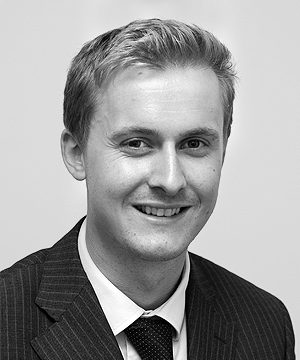
Arran Macleod, a solicitor in the clinical negligence team at Penningtons Manches Cooper, said: "Patients should not be expected to conduct their own due diligence on the surgeons assigned to them. They should be able to trust that the surgeon is competent to perform their treatment safely. Many may reasonably ask why it is acceptable for Mr Lamah to continue operating in the NHS when a private hospital has determined that patients were unsafe in his care.
"It is deeply concerning that patients are still being placed under the care of a surgeon who has been found to have significantly higher complication rates than expected, potentially placing them at risk of avoidable harm. In some cases, the impact may be life-altering. This also raises questions about issues of informed consent, arising from a failure to disclose material information about the surgeon."
The specialist medical negligence team at Penningtons Manches Cooper offers comprehensive legal support to patients who have suffered injuries arising from substandard medical care, and can provide initial advice if you have concerns about treatment that you have received either privately or in the NHS.




© 2025 Penningtons Manches Cooper LLP.
All rights reserved.
Website design by Frontmedia / Dynamic Pear
Penningtons Manches Cooper LLP is a limited liability partnership registered in England and Wales with registered number OC311575 and is authorised and regulated by the Solicitors Regulation Authority under number 419867.

 Return to news headlines